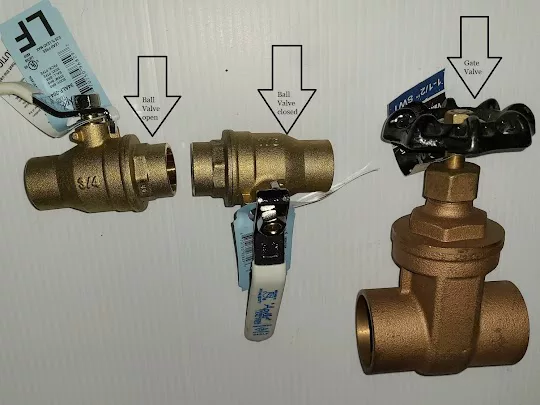
Understanding the Importance of Water Supply Valves
Water supply valves play a crucial role in managing the flow of water in your home. They are essential for controlling water access to various appliances and fixtures, ensuring that homeowners can easily shut off the water supply in case of emergencies or repairs.
Regularly exercising these valves helps prevent them from becoming stuck or malfunctioning. By turning them periodically, homeowners can ensure that they remain functional and ready for use when needed, which is vital for maintaining a safe and efficient plumbing system.
How to Locate Your Home's Water Valves
Knowing the location of your water supply and filtration valves is essential for effective home maintenance. Typically, the main water supply valve is located near the water meter, while hot water heater supply valves can be found close to the heater itself.
Additionally, water filtration bypass valves are often situated near the filtration system. Homeowners should familiarize themselves with these locations to quickly access them in emergencies or maintenance situations.
Common Issues with Water Valves and How to Fix Them
Water valves can experience various issues, such as leaks, corrosion, or being stuck in an open or closed position. Identifying these problems early can save homeowners from costly repairs and water damage.
To address these issues, homeowners should regularly inspect their valves for signs of wear or damage. Simple maintenance tasks, such as tightening connections or applying lubricant, can often resolve minor issues and prolong the life of the valves.
When to Schedule a Professional Water Checkup
While regular maintenance can help keep your water valves in good condition, scheduling a professional water checkup is advisable at least once a year. This ensures that all aspects of your plumbing system, including valves, are thoroughly inspected and serviced.
Aqua Serve offers free water checkups that include testing water quality and pressure, as well as evaluating the condition of your valves. This proactive approach can help detect potential problems early and maintain the integrity of your home's plumbing system.
Understanding Water Contaminants
Water contaminants can significantly impact health and quality of life. Common impurities include chlorine, lead, PFAS, and bacteria, each posing unique risks. Understanding these contaminants is crucial for making informed decisions about water filtration solutions.
For instance, lead exposure can lead to serious health issues, especially in children, while PFAS are linked to various health problems, including cancer. Regular water testing can help identify these contaminants, allowing homeowners and businesses to take necessary actions to ensure safe drinking water.
Importance of Regular Water Testing
Regular water testing is essential to ensure the safety and quality of your water supply. This process helps detect harmful contaminants that may not be visible to the naked eye, ensuring that your water remains safe for consumption and use.
Aqua Serve offers comprehensive water testing services that identify various impurities, including heavy metals and microorganisms. By testing your water regularly, you can proactively address any issues, ensuring that your family or employees are protected from potential health risks associated with contaminated water.
Custom Water Filtration Solutions
Custom water filtration solutions are tailored to meet the specific needs of your household or business. Whether dealing with hard water, high contaminant levels, or specific taste preferences, a personalized approach ensures optimal water quality.
Aqua Serve provides a range of filtration systems designed to tackle unique water challenges. From reverse osmosis systems to advanced carbon filters, each solution is crafted to enhance water quality, ensuring that you enjoy clean, safe water at all times.
Benefits of Water Softening
Water softening offers numerous benefits, particularly for households dealing with hard water. Softened water can improve the efficiency of appliances, reduce scale buildup, and enhance the effectiveness of soaps and detergents.
For example, using softened water can lead to lower energy bills by allowing washing machines and dishwashers to operate more efficiently. Additionally, it can prolong the lifespan of plumbing and appliances, making it a cost-effective solution for homeowners looking to improve their water quality.
