
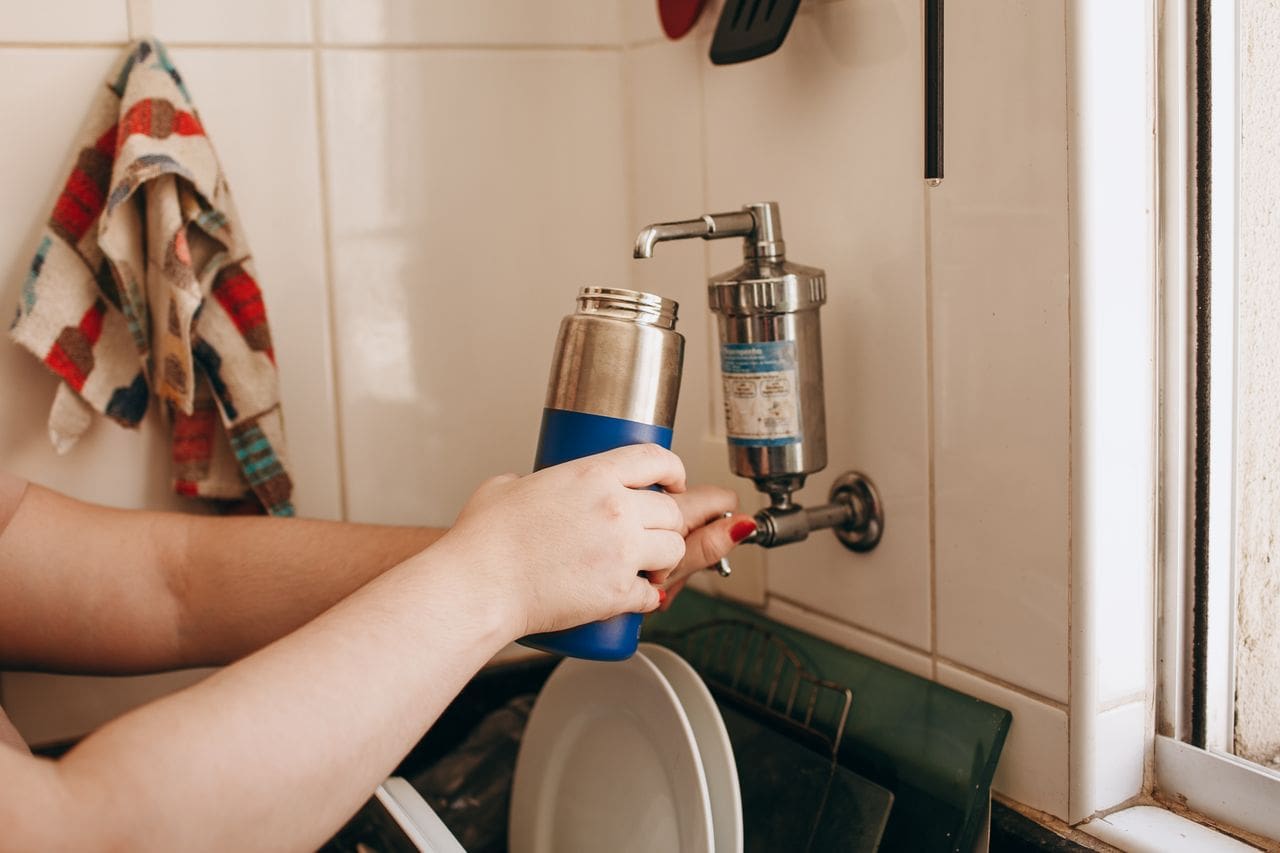
Colorado homeowners increasingly recognize the importance of water quality, not just for their health but also for the longevity of their plumbing and appliances. With a unique blend of geological factors and aging infrastructure, water in many Colorado communities can present a host of challenges—from mineral hardness and sediment to the presence of contaminants like arsenic. Whether you live in Boulder, Cherry Hills Village, Evergreen, or any of Denver’s vibrant neighborhoods, understanding and addressing your water’s unique profile is essential. As a local authority with decades of experience, Aqua Serve is dedicated to helping residents enhance water safety and efficiency with expertly designed and installed filtration systems.
Understanding Colorado’s Water Quality Challenges
Colorado’s water quality is shaped by a combination of natural geology, aging pipes, and varying local water sources. While much of the state is supplied by snowmelt and surface reservoirs, the journey from mountain streams to household taps can introduce a range of water quality concerns. Many Colorado communities report high levels of hardness, the presence of naturally occurring minerals, and, in some cases, harmful contaminants.
One of the most significant issues facing residents is compliance with health-based water standards. Approximately 6% of public water systems in Colorado violate health-based regulations each year, affecting about 11% of the population served. The situation can be even more severe in certain residential settings. Nearly 70% of mobile home parks that run their own water systems violated safe drinking water rules over the past five years. These statistics underscore the need for vigilance and proactive water treatment.
Hardness is another prevalent issue in Colorado. Hard water levels are measured in grains per gallon (GPG), and anything above 7 GPG is considered ‘hard.’ Many areas in Colorado test well above this threshold. Hard water can lead to scale buildup in pipes and appliances, reduce soap efficiency, and leave stubborn deposits on fixtures. In regions like the San Luis Valley, groundwater contamination is also a concern. In the San Luis Valley, nearly 12% of tested household wells had detectable amounts of arsenic. These facts highlight the necessity of proper assessment and treatment to ensure clean, safe water.
Assessing Your Home’s Water Quality
Before selecting or installing a filtration system, it’s essential to thoroughly assess your home’s water quality. This process involves identifying specific contaminants, minerals, and other factors that influence the safety and taste of your water. The first step for every Colorado homeowner should be to request a water quality report from their local utility or arrange for independent testing, especially if your water comes from a private well.
Professional water testing analyzes for a wide variety of potential issues, including:
- Mineral content (calcium, magnesium, iron, manganese)
- pH and alkalinity
- Presence of heavy metals (such as lead or arsenic)
- Organic and inorganic chemicals (including pesticides and industrial contaminants)
- Microbial contamination (bacteria, viruses, cysts)
- Chlorine and chloramines used in disinfection
A comprehensive assessment enables you to target your specific problems, whether that means addressing excessive hardness, removing chlorine for better taste, or filtering out harmful contaminants. Water quality can vary significantly between neighborhoods such as Park Hill, Castle Pines Village, or Applewood, making personalized analysis crucial. For a tailored evaluation and consultation, Aqua Serve’s team of Water Quality Association certified professionals and master plumbers are always ready to assist Colorado homeowners.
Choosing the Right Filtration System
Selecting the most effective filtration system depends on your water’s characteristics and the unique needs of your household. In Colorado, where water hardness and specific contaminants are common, it’s critical to match the system’s capabilities to the actual water quality data from your assessment.
The most popular filtration solutions for Colorado homes include:
- Whole-house filtration systems: These systems treat all the water entering your home, targeting sediment, chlorine, and in some cases, specific contaminants like arsenic or lead.
- Water softeners: Essential for combating the high mineral content found in many areas. They use ion exchange technology to remove calcium and magnesium, protecting plumbing and appliances.
- Reverse osmosis (RO) systems: Ideal for under-sink installation, RO systems can remove a wide range of dissolved solids, metals, and contaminants, providing highly purified drinking water.
- Specialty filters: For homes with unique concerns—such as high iron, sulfur, or microbial contamination—specialized filters and UV disinfection units are available.
It’s important to consider both the initial installation and long-term maintenance needs. A properly specified system will not only protect your family’s health but also extend the lifespan of your appliances. Installing a filtration system helps reduce scale, keeping your water heater, dishwasher, and washing machine running longer and more efficiently. Consulting with experts at https://aquaserve4u.com ensures you get a customized solution, backed by decades of local experience.
Proper Installation Techniques
Correct installation is vital for maximizing the effectiveness and reliability of your water filtration system. Even the best equipment can underperform or cause plumbing issues if not installed according to manufacturer and industry standards. In Colorado, where mineral content and water pressure can vary widely, professional installation is highly recommended.
Key best practices for installation include:
- Site selection: Install the system where it will treat all incoming water (for whole-house systems) or at the point-of-use (such as under the kitchen sink for RO units). Ensure easy access for maintenance and filter changes.
- Plumbing integration: Use materials compatible with your home’s plumbing—copper, PEX, or PVC—and ensure all joints are properly sealed to prevent leaks.
- Bypass valves: Incorporate bypass valves so you can isolate the system for service without interrupting your home’s water supply.
- Pressure regulation: Check and adjust water pressure to avoid damaging the filtration media or system components.
- Electrical and drainage requirements: For systems like water softeners and RO units, ensure proper connections to power and drain lines.
Colorado’s climate and geological conditions can also affect installation. In mountain communities like Evergreen or Genesee, freezing temperatures may necessitate indoor installation or insulation of pipes and components. For maximum peace of mind, rely on Aqua Serve’s master plumbers and certified technicians to ensure your system is installed safely and correctly.
Maintenance and Upkeep of Your Filtration System
To keep your water filtration system operating at peak performance, regular maintenance is essential. Over time, filters accumulate debris, ion exchange resins become depleted, and membranes require cleaning or replacement. Neglecting maintenance not only reduces water quality but can also result in costly repairs or premature system failure.
Best practices for filtration system maintenance include:
- Filter replacement: Follow the manufacturer’s recommended schedule for replacing sediment, carbon, and specialty filters—typically every 6 to 12 months, depending on usage and water quality.
- Salt replenishment: For water softeners, regularly check and refill the salt reservoir to maintain softening efficiency.
- System sanitization: Periodically sanitize tanks, lines, and storage reservoirs to prevent microbial growth, especially in systems with extended contact times.
- Performance checks: Test water quality at least annually, or if you notice changes in taste, odor, or pressure.
- Professional servicing: Schedule annual inspections with a qualified technician to ensure all components are functioning properly and to address any potential issues before they escalate.
Colorado’s varying water conditions can impact how often maintenance is needed. For example, homes in areas with particularly hard water—such as Highlands Ranch, Lakewood, or Morrison—may need more frequent filter changes or softener servicing. Investing in routine upkeep helps protect your water quality and ensures ongoing protection for your family and appliances.
For expert service and personalized maintenance plans, the professionals at Aqua Serve are always available to support clients throughout Colorado, from Boulder to Castle Rock and everywhere in between. Visit https://aquaserve4u.com to learn more about tailored solutions for your home.





