
Walk into any home improvement store in Denver, and you'll see rows of water filters, each one claiming to solve your water problems. Reverse osmosis. Carbon blocks. Ultrafiltration membranes. It's enough to make your head spin. And if you're dealing with Denver's notoriously hard water, chlorine taste, or concerns about contaminants, picking the wrong system can mean wasted money and water that still doesn't feel right. The truth is, not all filters are built the same, and understanding what each type actually does (in plain English) can save you time, money, and a lot of frustration. Let's break it down.
Quick Summary for Colorado Homeowners: What's the Difference Between RO, Ultrafiltration, and Carbon Filters?
Reverse osmosis (RO) removes the most contaminants, including dissolved solids, heavy metals, and fluoride. Ultrafiltration filters out bacteria and particles without wasting water. Carbon filters excel at improving taste and removing chlorine. The right choice depends on what's actually in your water, which is why professional water testing is the first step.
What Causes Confusion About Water Filters in Denver Homes?
Most Denver homeowners start their filter search the same way: Googling "best water filter" or asking a neighbor what they use. The problem? Your neighbor's water isn't your water.
Denver's municipal water comes from mountain snowmelt and is treated with chlorine or chloramine. If you're in Highlands Ranch, Parker, or Broomfield, you might also deal with high mineral content (hard water). Older neighborhoods like Capitol Hill or Lakewood may have lead concerns from aging pipes. And across the Front Range, PFAS and other emerging contaminants are increasingly showing up in water reports.
Every home is different. A carbon filter might handle chlorine taste in one house, but do nothing for dissolved minerals in another. An RO system might be overkill if you just need to remove sediment, or it might be exactly what you need if testing reveals arsenic or nitrates.
That's why the decision shouldn't start with picking a filter. It should start with understanding what's in your water.
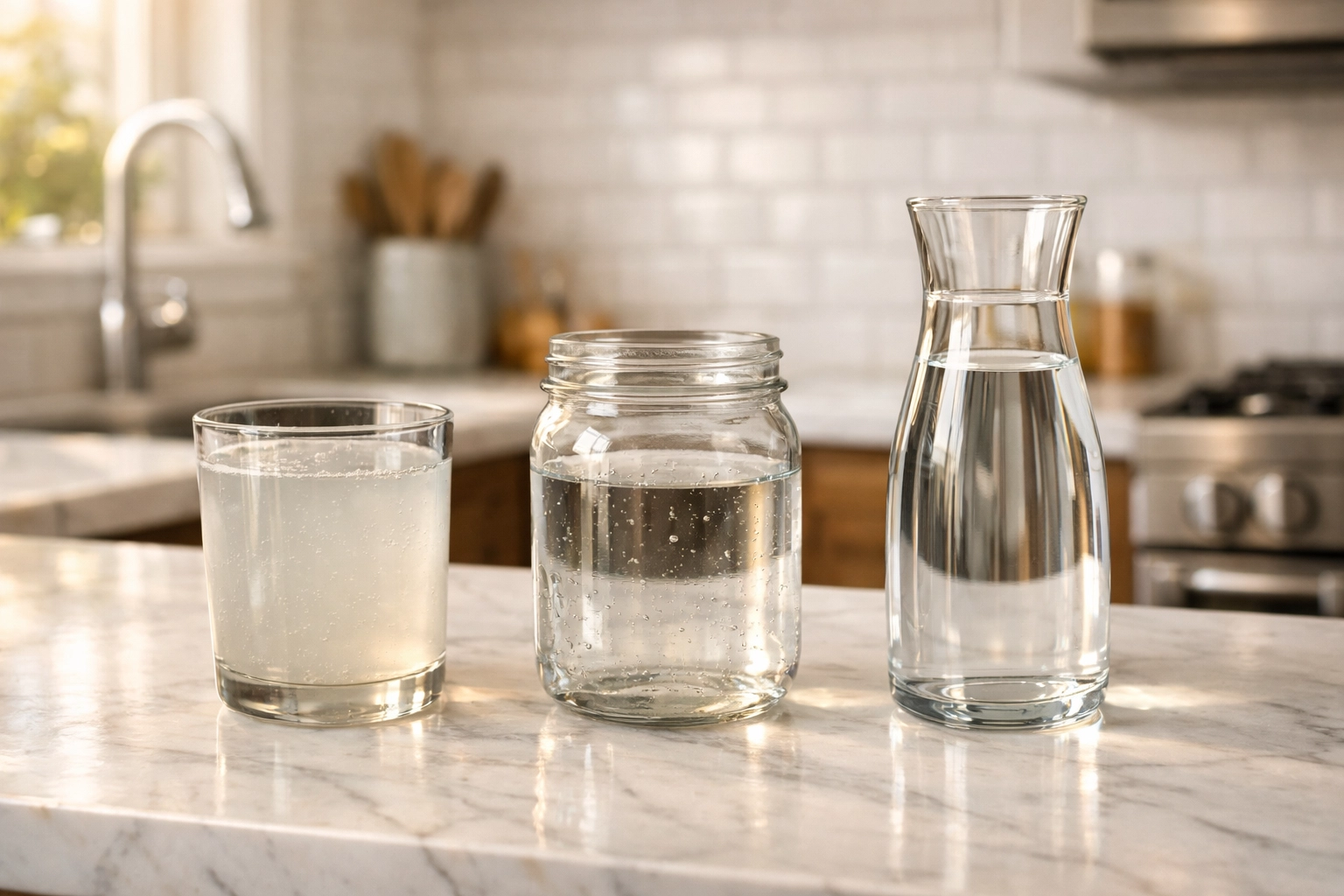
How RO, Ultrafiltration, and Carbon Filters Work (Without the Jargon)
Let's break down each type in plain terms:
Carbon Filters: The Taste and Odor Specialist
Carbon filters use activated carbon, basically charcoal that's been treated to create millions of tiny pores. Water flows through, and contaminants stick to the carbon surface. Think of it like a sponge that traps chlorine, volatile organic compounds (VOCs), and chemicals that cause bad taste or smell.
What carbon filters do well:
- Remove chlorine and chloramine (the main culprits behind that "pool water" taste)
- Eliminate odors
- Reduce some pesticides and herbicides
- Improve overall taste
What carbon filters don't do:
- Remove dissolved minerals (hardness)
- Filter out fluoride, nitrates, or heavy metals like lead and arsenic
- Eliminate bacteria or viruses
Where they fit in Denver homes: Carbon filters work great as whole-house systems to handle chlorine from city water. They're often the first line of defense, but rarely the only solution.
Ultrafiltration: The Particle and Bacteria Blocker
Ultrafiltration (UF) uses a hollow fiber membrane with microscopic pores, about 0.025 micron in size. For context, that's small enough to catch bacteria, cysts, and sediment, but not small enough to remove dissolved chemicals or minerals.
What ultrafiltration does well:
- Removes bacteria and parasites
- Filters out sediment and rust
- Catches microplastics and particles
- Works without wasting water (unlike RO)
What ultrafiltration doesn't do:
- Remove dissolved solids like calcium, magnesium, or sodium (hard water minerals)
- Filter out fluoride, chlorine, or heavy metals
- Eliminate chemical contaminants like PFAS
Where it fits in Denver homes: Ultrafiltration is a solid middle-ground option for homeowners who want microbial protection without the water waste of reverse osmosis. It's often paired with carbon pre-filters for a more complete solution.
Reverse Osmosis: The Deep Clean
Reverse osmosis forces water through a membrane so fine (0.001 micron) that it removes 95–98% of dissolved contaminants. It's the most thorough filtration you can get for residential use.
What RO does well:
- Removes heavy metals (lead, arsenic, chromium)
- Filters out fluoride, nitrates, and sulfates
- Reduces total dissolved solids (TDS)
- Eliminates bacteria, viruses, and parasites
- Handles PFAS and pharmaceutical residues
What RO requires:
- More water waste (typically 3–4 gallons of wastewater per gallon of filtered water, though newer systems are more efficient)
- Regular filter and membrane changes
- A storage tank (for under-sink systems)
Where it fits in Denver homes: RO is typically installed under the kitchen sink for drinking and cooking water. If testing reveals high TDS, lead, arsenic, or PFAS, reverse osmosis is usually the best answer.
What Each Type Removes: Side-by-Side Comparison
Here's a quick reference table to see what each filter handles:
| Contaminant | Carbon Filter | Ultrafiltration | Reverse Osmosis |
|---|---|---|---|
| Chlorine/chloramine | ✔ | ✗ | ✔ |
| Taste and odor | ✔ (excellent) | ✗ | ✔ |
| Heavy metals (lead, arsenic) | Some | ✔ | ✔ |
| Bacteria and viruses | ✗ | ✔ | ✔ |
| Fluoride | ✗ | ✗ | ✔ |
| Dissolved solids (hard water) | ✗ | ✗ | ✔ |
| Pesticides and VOCs | ✔ (many) | ✔ | ✔ |
| PFAS | ✗ | ✗ | ✔ |
| Sediment and rust | Some | ✔ | ✔ |
Which Filter Fits Your Colorado Home?
The answer depends on what's in your water, and what you're trying to solve.
If your main issue is taste and odor: A whole-house carbon filter will handle chlorine and improve taste throughout your home. Pair it with an under-sink RO system for drinking water if you want extra protection.
If you're concerned about bacteria or sediment: Ultrafiltration is a good middle-ground option, especially if you're on well water or have concerns about aging pipes.
If you're dealing with hard water, heavy metals, or contaminants like PFAS: Reverse osmosis is the gold standard. For hard water specifically, pair RO with a water softener to protect your plumbing and appliances.
If you're not sure what's in your water: Start with professional testing. Aqua Serve offers free in-home water testing across the Denver metro area, including Highlands Ranch, Arvada, Thornton, and Littleton. Testing identifies exactly what's in your water, hardness levels, chlorine, TDS, lead, and more, so you're not guessing.
Certifications and Maintenance: What to Look For
Not all filters are created equal, even within the same category. Here's what to check before you buy:
NSF Certifications Matter
Look for filters certified by NSF International. These third-party certifications confirm that a filter actually removes what it claims to remove. Common standards include:
- NSF/ANSI 42: Aesthetic effects (taste, odor, chlorine)
- NSF/ANSI 53: Health effects (lead, cysts, VOCs)
- NSF/ANSI 58: Reverse osmosis systems
If a filter doesn't list NSF certification, you're taking the manufacturer's word for it.
Maintenance Requirements
Every filter needs regular maintenance. Here's what to expect:
- Carbon filters: Replace every 6–12 months (depending on water usage and contamination levels)
- Ultrafiltration membranes: Backwash or replace every 1–2 years
- RO membranes: Replace every 2–3 years; pre- and post-filters need changing every 6–12 months
In Denver's hard water, filters tend to clog faster. Professional maintenance ensures your system keeps working efficiently.
Professional Testing and Installation: Why It Matters
You wouldn't diagnose a medical condition without lab work, so why guess about your water?
DIY test strips can give you a rough idea, but they don't measure everything. Professional water testing from Aqua Serve checks for:
- Hardness (calcium and magnesium levels)
- Total dissolved solids (TDS)
- Chlorine and chloramine
- Lead, arsenic, and heavy metals
- pH and alkalinity
- PFAS (upon request)
Once you know what's in your water, a licensed technician can design a system tailored to your home, not just sell you a one-size-fits-all filter.
Why choose Aqua Serve?
With over 30 years serving Colorado homeowners, Aqua Serve understands Denver's unique water challenges. We're a Brita PRO certified installer, and we handle everything from testing to installation to ongoing maintenance. Whether you need a whole-house system, under-sink RO, or a water softener, we'll help you find the right solution, without the sales pitch.
FAQs: Common Questions About Water Filters in Denver
How do I know which filter I need for my Denver home?
Start with a water test. What works in Littleton might not work in Thornton. Testing identifies your specific contaminants so you can choose the right system, whether that's carbon, ultrafiltration, RO, or a combination.
Can I install a reverse osmosis system myself?
Technically, yes: but it's not recommended. RO systems require proper installation to avoid leaks, and Colorado plumbing codes have specific requirements for drainage. Professional installation ensures your system works efficiently and stays under warranty.
Do carbon filters remove hard water?
No. Carbon filters improve taste and remove chlorine, but they don't soften water. If you're dealing with scale buildup on faucets and appliances, you'll need a water softener: often combined with a carbon filter for complete protection.
How often do filters need to be changed in Denver's hard water?
Hard water can shorten filter life. Most carbon filters last 6–12 months, but in areas with high mineral content, you may need to replace them every 4–6 months. RO membranes are more durable but still need pre-filter changes to protect the membrane.
Does Aqua Serve test for PFAS and other emerging contaminants?
Yes. We can test for PFAS, radon, and other contaminants upon request. If testing reveals elevated levels, we'll recommend the appropriate filtration: typically reverse osmosis for PFAS removal.
What's the difference between a whole-house filter and an under-sink system?
Whole-house filters treat all the water entering your home: great for chlorine removal and protecting appliances. Under-sink systems (like RO) are installed at a single tap for drinking and cooking water. Many Denver homeowners use both for complete coverage.
Ready to find out what's really in your water? Schedule a free in-home water test with Aqua Serve. We'll test your water, explain your options in plain English, and help you choose the right filtration system for your home: no pressure, no guesswork.
Last updated: February 2026
