
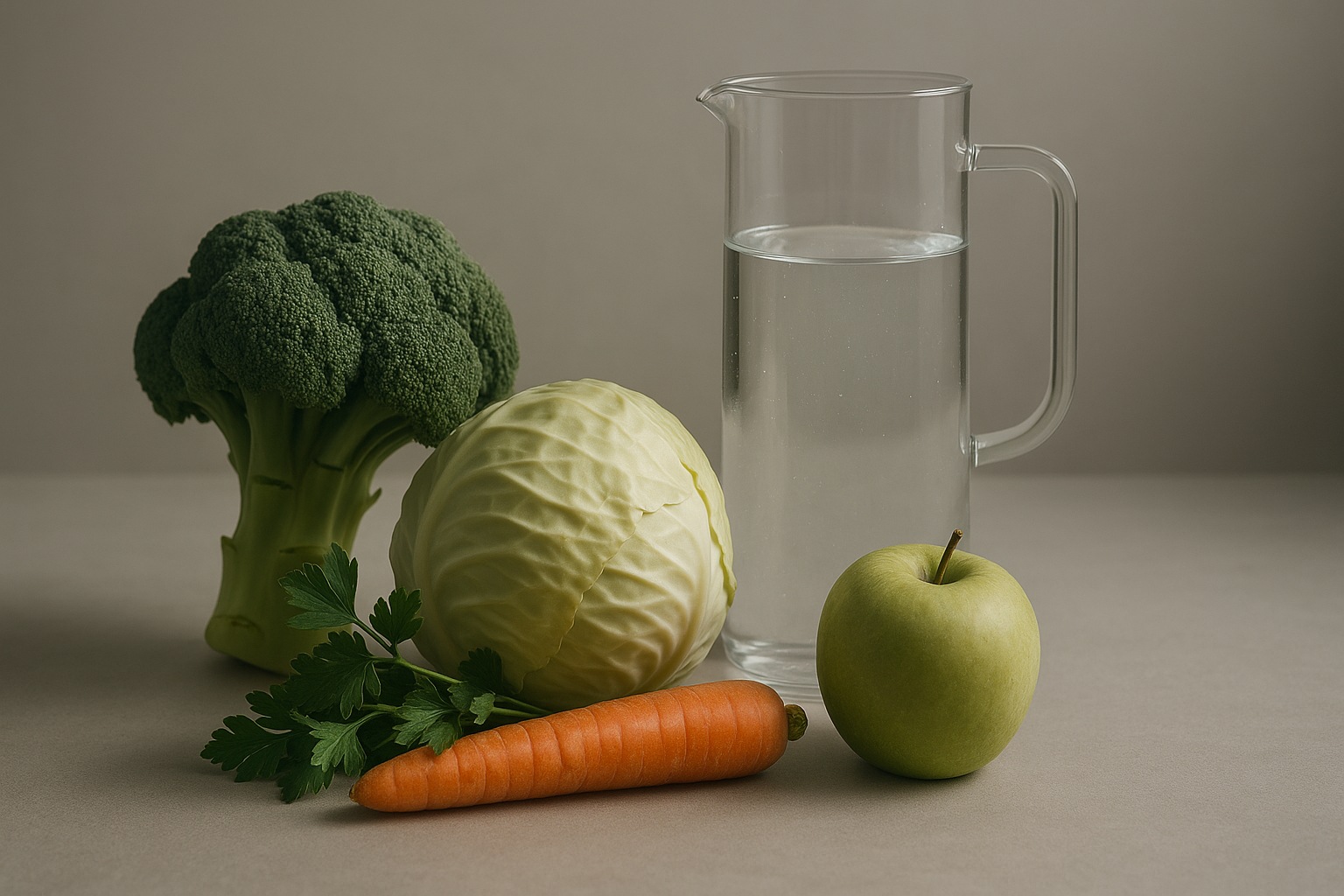
In Colorado’s vibrant communities, from Cherry Hills Village to Boulder and Evergreen, healthy home cooking is a valued tradition. Yet, many residents overlook a critical ingredient that impacts both flavor and nutrition: the quality of their water. As water travels through Colorado’s diverse landscape, it can accumulate a range of contaminants and minerals that not only affect taste but also the performance of kitchen appliances and the safety of your meals. Understanding the importance of filtered water is essential for anyone seeking to elevate their culinary experience and protect their family’s health. With Aqua Serve’s expertise in water purification, you can unlock the full potential of your cooking and ensure every dish starts with pure, reliable water.
Introduction to Water Quality in Colorado
Colorado is renowned for its natural beauty and fresh mountain air, but the same cannot always be said for its tap water. The state’s water sources are influenced by geographical diversity, weather patterns, and aging infrastructure, resulting in varying water quality across neighborhoods such as Castle Pines Village, Sloan’s Lake, and Park Hill. While municipal water treatment facilities strive to meet safety standards, challenges persist due to old pipes, agricultural runoff, and naturally occurring minerals.
For many households and businesses, these water quality issues manifest as unpleasant tastes, odors, cloudiness, or the presence of visible particles. More concerning are contaminants like chlorine, lead, nitrates, and microbial agents, which can pose health risks, especially with long-term exposure. According to experts, “Approximately 6% of public water systems in Colorado violate health-based regulations each year, affecting about 11% of the population served.” This highlights the need for reliable, point-of-use filtration solutions that go beyond basic municipal treatment, particularly in regions with older infrastructure or well water systems.
As residents prepare meals for their families or customers, the water used in cooking becomes more than just an afterthought—it’s a foundational element that can enhance or diminish the overall culinary experience. By investing in advanced filtration, Coloradans can address these issues head-on, ensuring safer, tastier, and more nutritious meals with every pour from the tap.
The Impact of Water Contaminants on Cooking
When it comes to preparing food, the quality of your water plays a far more significant role than many realize. Tap water in Colorado, particularly in areas such as Lakewood, Morrison, and Golden, may contain a range of contaminants including chlorine, chloramine, heavy metals, and organic compounds. Each of these substances can interact with food during cooking in ways that alter flavor, texture, and even nutritional value.
Chlorine, commonly used as a disinfectant in municipal water supplies, is notorious for imparting a chemical taste and odor to both water and food. This is especially noticeable in delicate dishes like soups, pastas, and steamed vegetables. “Using filtered water in cooking can enhance the flavors of your food by removing additives and chemicals that may alter taste.” For those who pride themselves on crafting delicious meals, these subtle differences can be the difference between an average dish and a truly memorable one.
Contaminants like iron or manganese can cause discoloration, especially in lighter-colored foods such as rice, potatoes, or cauliflower. Furthermore, minerals present in hard water can interfere with the chemical reactions essential for baking and fermenting, leading to inconsistent results. In Colorado’s diverse neighborhoods, ensuring that your water is free from these unwanted elements is a must for anyone serious about quality cooking.
Benefits of Using Filtered Water in Cooking
The advantages of filtered water in the kitchen extend far beyond taste. With the right filtration system, households in places like Cherry Creek North, Observatory Park, and Highlands can enjoy a range of culinary and health benefits that elevate every meal. Here are some of the most compelling reasons to switch to filtered water for your cooking needs:
- Enhanced Flavor Profiles: Free from chlorine, sediment, and other chemicals, filtered water allows the true flavors of your ingredients to shine. Whether you’re simmering a hearty stew or brewing morning coffee, you’ll notice a cleaner, more vibrant taste.
- Preserved Appearance and Texture: “Filtered water helps preserve the natural color and texture of vegetables during cooking, preventing discoloration caused by chlorine in tap water.” This means brighter greens, whiter potatoes, and more appetizing presentation all around.
- Improved Nutritional Value: Because filtered water doesn’t leach unwanted substances into your food, the vitamins and minerals present in your ingredients remain more intact. This contributes to healthier, more nourishing meals for your family.
- Better Baking Results: The chemistry of baking is particularly sensitive to water quality. “Filtered water can improve the texture and rise of baked goods by enhancing yeast activity and gluten formation.” This results in lighter breads, fluffier cakes, and consistently perfect pastries.
- Safety and Peace of Mind: By removing contaminants such as lead, nitrates, and bacteria, filtered water provides an added layer of protection, especially important for children, the elderly, and individuals with weakened immune systems.
For families and chefs alike, using filtered water is a simple yet powerful way to ensure that every meal you prepare is as delicious and wholesome as possible. It’s a small change with far-reaching impacts on the quality and safety of your culinary creations.
Filtered Water and Appliance Longevity
Beyond its effects on food and drink, water quality has a direct impact on the performance and durability of kitchen appliances. Many homes in communities such as Applewood, Heritage Hills, and RidgeGate rely on dishwashers, coffee makers, and steam ovens that are susceptible to mineral buildup from hard water. Over time, this can lead to costly repairs, reduced efficiency, and even premature appliance failure.
“Hard water minerals can cause scale buildup in kitchen appliances, reducing their efficiency and lifespan.” Scale accumulates on heating elements, clogging pipes and valves, and diminishing the overall function of your equipment. The result is often longer cooking times, uneven heating, and increased energy consumption. In severe cases, scale can cause appliances to break down, requiring expensive replacements.
By installing a high-quality water filtration or softening system, you not only protect your investment in appliances but also ensure more consistent performance in the kitchen. This means better-tasting beverages, more efficient cleaning, and less time spent descaling or troubleshooting malfunctioning machines. Over the years, the savings on repairs and replacements can be substantial, making water filtration a smart and cost-effective choice for any Colorado home.
Implementing Water Filtration Solutions in Your Kitchen
With the clear benefits of filtered water for cooking, nutrition, and appliance longevity, the next step is choosing the right solution for your kitchen. At Aqua Serve, our team of Water Quality Association certified professionals, master plumbers, and chemical engineers is dedicated to helping Colorado homeowners and businesses achieve the purest water possible—whether you’re in Genesee, BackCountry, or Stapleton / Central Park.
There are several options to consider depending on your unique needs and water quality concerns:
- Whole-House Filtration Systems: These systems treat all the water entering your home, providing comprehensive protection against contaminants for every tap and appliance.
- Point-of-Use Filters: Installed directly at your kitchen sink or refrigerator, these filters deliver purified water exactly where you need it for cooking and drinking.
- Reverse Osmosis Systems: Ideal for those seeking the highest level of purification, reverse osmosis units remove a wide spectrum of contaminants, minerals, and impurities.
- Water Softeners: For homes with hard water, softeners prevent scale buildup and extend the life of appliances, while also improving soap efficiency and reducing maintenance.
The selection and installation of a filtration system should be tailored to your specific water source and household requirements. At https://aquaserve4u.com, we offer personalized water assessments, expert recommendations, and ongoing service to ensure your system continues to perform at its best. Our solutions are trusted by residents across Cherry Hills Village, Bonnie Brae, and beyond, making us the go-to partner for pure water and healthy cooking in Colorado.
Investing in filtered water is an investment in your family’s health, your kitchen’s performance, and the enjoyment of every meal. Take the first step toward a healthier, tastier kitchen with customized water purification solutions from Aqua Serve.





