What Causes Water Hardness?
Water hardness primarily results from the presence of dissolved minerals, particularly calcium and magnesium. These minerals enter the water supply through natural processes, such as the erosion of rocks and soil, and can vary significantly based on geographical location and local water sources.
For example, areas with limestone or chalk deposits often experience higher levels of water hardness due to the solubility of these minerals in water. Understanding the sources of water hardness can help homeowners take appropriate measures to manage its effects on their plumbing and appliances.
Signs of Hard Water in Your Home
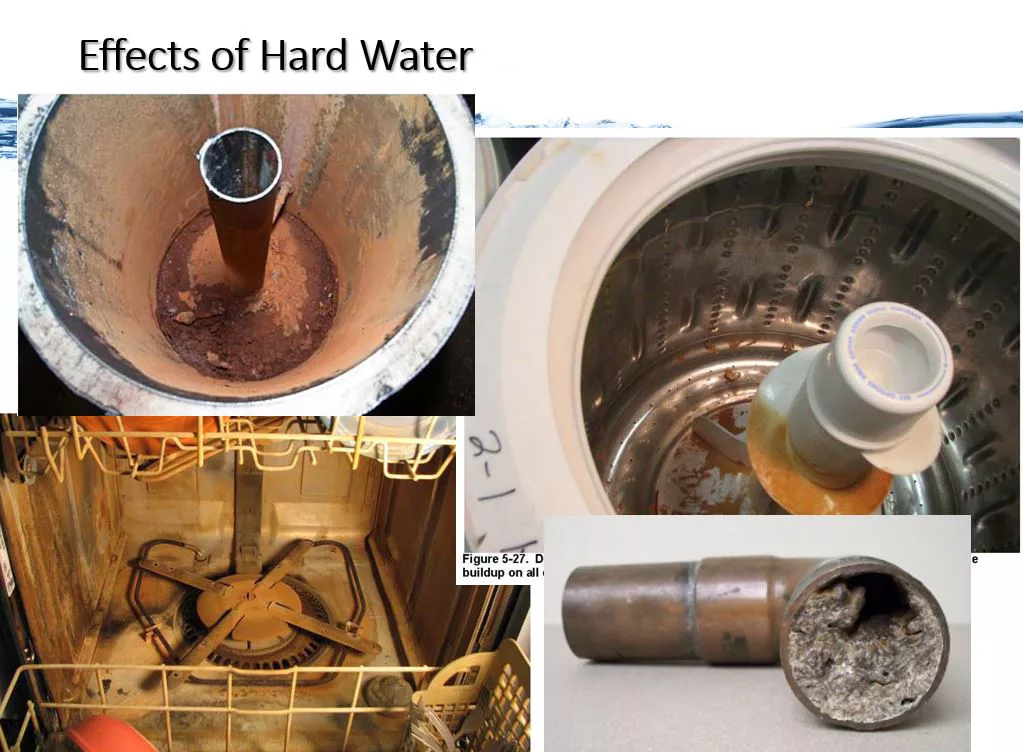
Recognizing the signs of hard water in your home is crucial for addressing potential issues early. Common indicators include soap scum buildup, dull laundry, and scale deposits on faucets and showerheads, which can signal the need for water treatment solutions.
Additionally, if you notice that your dishes come out of the dishwasher with spots or that your skin feels dry after showering, these could be signs of hard water affecting your daily life. Identifying these symptoms can prompt homeowners to seek professional water testing and filtration services.
How to Test Your Water Hardness
Testing your water hardness is a straightforward process that can provide valuable insights into your water quality. Homeowners can use test strips or kits available at local hardware stores to determine the hardness level, or they can opt for professional testing services for more accurate results.
For example, Aqua Serve offers comprehensive water testing services that not only measure hardness but also assess other water quality parameters. This information can guide homeowners in selecting the most effective water treatment solutions tailored to their specific needs.
Long-Term Benefits of Soft Water
Investing in a water softening system can yield significant long-term benefits for homeowners. Soft water not only improves the efficiency of appliances but also enhances the overall quality of life by reducing soap usage and minimizing skin irritation.
Moreover, soft water can extend the lifespan of plumbing systems and appliances, leading to lower maintenance costs over time. For instance, homeowners with soft water often report fewer plumbing issues and reduced energy bills due to the improved efficiency of water heaters and dishwashers.