Our Services & Products
Custom Solutions for Cleaner, Safer Water.
Water Filter Benefits
What a Water Filter Can Do for You
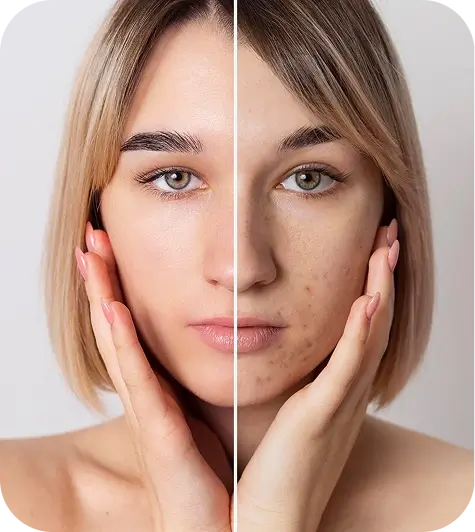
Over 85 percent of all water in the U.S. is hard. Hard water plus soap leaves a soap scum on our bodies that we generally identify with a bathtub ring. We are covered in soap scum. Hard water high mineral content creates a soapy scum layer on the skin. This not only clogs pores, but also irritates the skin, making it itchy, flaky and dry. These impurities in water make it difficult for soap and shampoo to wash off, leading to dryness of the skin and scalp, which directly irritate skin and cause redness. Soft water and soap co-mix and are soluble. Therefore less soap is used and complete rinsing is a breeze.
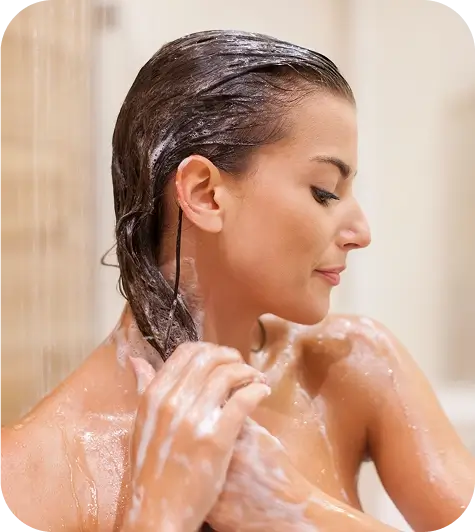
One way of determining if you have hard or soft water in your home is to look at the lather formation when you mix soap and water—hard water will suds up much less than soft water. Hard water shampooing will not lather as much. Your hair might be more dry and lack the shine you are expecting. You may also find that it takes a little longer to rinse out your shampoo and conditioner in soft water. This is usually a clue that you are using too much shampoo. Those with frizzy, thick or damaged hair definitely want soft water to better manage this type of hair. Hard water causes build up of minerals, sometimes noted as bath tub ring after a bath. This insoluble film also deposits on your hair and scalp, if not thoroughly rinsed an itch is born. Why not rinse with soft water also? Your shower heads will not plug or scale with soft water.
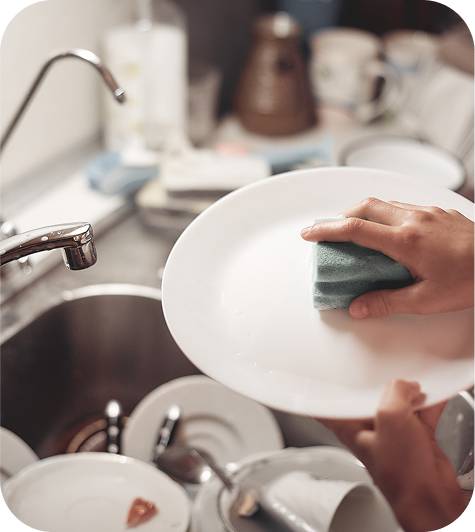
Dirty dishware is unpleasant. Your glasses, silverware and dishes should sparkle. Water spots and film can be gone with soft water. Soaps work better in lime free water. Meanwhile you are eliminating lime and scale build up inside the dish machine and on the coils. This extends the life of your machine. Dish wash machine manufacturers recommend less soap with soft water. Often no soap is used in open cup.
In washing machines, softened water can reduce detergent use by 50% and save energy by making it possible to wash in cold (60ºF) rather than hot (100ºF) water. Cold water washes with softened water achieved the same or better results when it came to removing stains and whitening fabrics. Since less chemicals and lower temperatures(less energy) are used, fabrics last longer and less lint in the dryer.A 2009 study commissioned by the Water Quality Research Foundation (WQRF) and conducted by the Battelle Memorial Institute found that adding a water softener helps water heaters and laundry appliances operate as efficiently as possible, while preventing clogs in showerheads, faucets, and drains. For example, researchers ran washing machines for 30 days and 240 wash cycles. They ran softened water through half of the units, while using a hard water source for the others. At the end of the month, the washers using softened water were nearly free of scale buildup, but the washers using hard water required scale removal to work well.
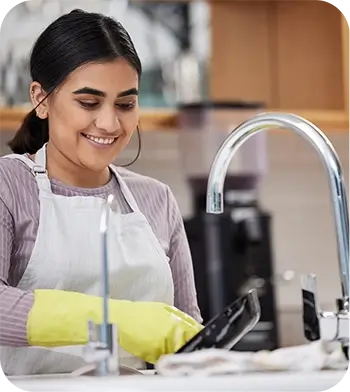
Tired of doing cleaning around the house. You can not eliminate it, but you can make it go quicker and extend the time in between cleaning with soft water. The lime and calcium in the water make water hard. Calcium is in the family of sheetrock. Two thing happen with the hard water for cleaning: the lime combines with soap to create an insoluble residue that wants to stick to surfaces and is difficult to rinse. This happens with the soap and hard water on a shower door and other surfaces. Secondly, as you heat hard water, the lime comes out of solution, like on grandma’s tea kettle. Tenacious scale builds up more around the hot side of faucets and ends of warm water shower heads and faucets.
Did You Know?
Over 85% of water in the U.S. is classified as hard water—meaning it contains high levels of minerals like calcium and magnesium. When combined with soap, hard water forms a sticky residue known as soap scum, which often appears as a bathtub ring but also clings invisibly to your skin and scalp.
This residue:
Clogs pores
Irritates the skin
Leads to dryness, itchiness, and flakiness
Makes rinsing off soap and shampoo difficult
In contrast, RO water is soft and purified, with the minerals removed. It allows soap and shampoo to rinse off easily, helping to:
Switching to RO water isn’t just about drinking clean water—it’s also about improving your skin health, hygiene, and comfort every day.
Understanding Water Filtration Technologies
Water filtration technologies are essential for ensuring the purity and safety of drinking water. Various systems, such as reverse osmosis, activated carbon filters, and UV purification, each serve specific purposes and are designed to remove different contaminants from water. Understanding these technologies helps consumers make informed choices about the best solutions for their needs.
For instance, reverse osmosis systems effectively eliminate dissolved solids and impurities, while activated carbon filters are excellent for removing chlorine and improving taste. By learning about these technologies, customers can select the right filtration system to meet their health and lifestyle requirements.
The Importance of Regular Water Testing
Regular water testing is crucial for maintaining safe drinking water and identifying potential contaminants. Testing can reveal issues such as high levels of lead, bacteria, or other harmful substances that can affect health. Aqua Serve emphasizes the significance of routine testing to ensure water quality and safety for families.
Many homeowners may not realize that water quality can fluctuate due to various factors, including seasonal changes and plumbing conditions. By conducting regular tests, customers can address any water quality issues proactively, ensuring they and their families have access to clean and safe water at all times.
Customer Testimonials and Success Stories
Customer testimonials provide valuable insights into the effectiveness of Aqua Serve's products and services. Positive feedback from satisfied clients showcases the real-world benefits of using water filtration and softening solutions, building trust and credibility for potential customers considering these services.
For example, many customers report significant improvements in their water quality and overall health after installing Aqua Serve products. Sharing these success stories not only highlights the company's expertise but also encourages new customers to invest in cleaner, safer water solutions for their homes.
Comparing Water Softener Systems
When choosing a water softener system, it's important to compare different options to find the best fit for your household needs. Factors such as capacity, efficiency, and regeneration methods can influence the effectiveness of a water softener in reducing hard water issues.
Aqua Serve offers a range of water softener systems, each designed with unique features to cater to different household sizes and water hardness levels. By comparing these systems, customers can make an informed decision that aligns with their water quality goals and budget.