SINCE-1990
SINCE-1990
SINCE-1990
SINCE-1990
SINCE-1990
SINCE-1990What a Water Filter Can Do for You

Over 85 percent of all water in the U.S. is hard. Hard water plus soap leaves a soap scum on our bodies that we generally identify with a bathtub ring. We are covered in soap scum. Hard water high mineral content creates a soapy scum layer on the skin. This not only clogs pores, but also irritates the skin, making it itchy, flaky and dry. These impurities in water make it difficult for soap and shampoo to wash off, leading to dryness of the skin and scalp, which directly irritate skin and cause redness. Soft water and soap co-mix and are soluble. Therefore less soap is used and complete rinsing is a breeze.

One way of determining if you have hard or soft water in your home is to look at the lather formation when you mix soap and water—hard water will suds up much less than soft water. Hard water shampooing will not lather as much. Your hair might be more dry and lack the shine you are expecting. You may also find that it takes a little longer to rinse out your shampoo and conditioner in soft water. This is usually a clue that you are using too much shampoo. Those with frizzy, thick or damaged hair definitely want soft water to better manage this type of hair. Hard water causes build up of minerals, sometimes noted as bath tub ring after a bath. This insoluble film also deposits on your hair and scalp, if not thoroughly rinsed an itch is born. Why not rinse with soft water also? Your shower heads will not plug or scale with soft water.

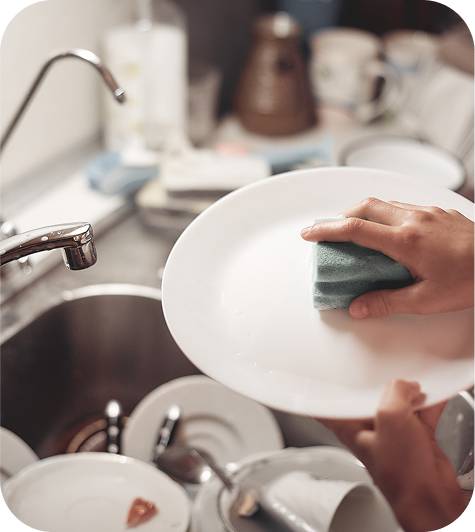
Dirty dishware is unpleasant. Your glasses, silverware and dishes should sparkle. Water spots and film can be gone with soft water. Soaps work better in lime free water. Meanwhile you are eliminating lime and scale build up inside the dish machine and on the coils. This extends the life of your machine. Dish wash machine manufacturers recommend less soap with soft water. Often no soap is used in open cup.

In washing machines, softened water can reduce detergent use by 50% and save energy by making it possible to wash in cold (60ºF) rather than hot (100ºF) water. Cold water washes with softened water achieved the same or better results when it came to removing stains and whitening fabrics. Since less chemicals and lower temperatures(less energy) are used, fabrics last longer and less lint in the dryer.A 2009 study commissioned by the Water Quality Research Foundation (WQRF) and conducted by the Battelle Memorial Institute found that adding a water softener helps water heaters and laundry appliances operate as efficiently as possible, while preventing clogs in showerheads, faucets, and drains. For example, researchers ran washing machines for 30 days and 240 wash cycles. They ran softened water through half of the units, while using a hard water source for the others. At the end of the month, the washers using softened water were nearly free of scale buildup, but the washers using hard water required scale removal to work well.

Tired of doing cleaning around the house. You can not eliminate it, but you can make it go quicker and extend the time in between cleaning with soft water. The lime and calcium in the water make water hard. Calcium is in the family of sheetrock. Two thing happen with the hard water for cleaning: the lime combines with soap to create an insoluble residue that wants to stick to surfaces and is difficult to rinse. This happens with the soap and hard water on a shower door and other surfaces. Secondly, as you heat hard water, the lime comes out of solution, like on grandma’s tea kettle. Tenacious scale builds up more around the hot side of faucets and ends of warm water shower heads and faucets.

Did You Know?
Over 85% of water in the U.S. is classified as hard water—meaning it contains high levels of minerals like calcium and magnesium. When combined with soap, hard water forms a sticky residue known as soap scum, which often appears as a bathtub ring but also clings invisibly to your skin and scalp.
This residue:
Clogs pores
Irritates the skin
Leads to dryness, itchiness, and flakiness
Makes rinsing off soap and shampoo difficult
In contrast, RO water is soft and purified, with the minerals removed. It allows soap and shampoo to rinse off easily, helping to:
Prevent skin irritation
Reduce dryness
Keep your skin and scalp healthier
Use less soap and shampoo due to better lathering and rinsing
Switching to RO water isn’t just about drinking clean water—it’s also about improving your skin health, hygiene, and comfort every day.
Filtered water helps reduce your environmental footprint by cutting down plastic waste, lowering chemical use, and improving appliance efficiency—making your home greener and more sustainable.
Drink safely from your tap—no need for single-use plastic bottles.
Soft water cleans better, reducing the use of harsh chemicals in your home.
Keep your appliances running longer and more efficiently, saving energy and money.
Water filters play a crucial role in improving personal hygiene by providing cleaner and safer water for daily use. When using filtered water for bathing and washing, individuals can experience fewer skin irritations and a more effective cleansing process. This is particularly beneficial for those with sensitive skin or conditions exacerbated by impurities in hard water.
For example, using filtered water can help reduce the build-up of soap scum, which is often a result of hard water. This not only makes rinsing off easier but also leaves skin feeling softer and healthier. Additionally, using filtered water in hair care routines can lead to shinier and more manageable hair, as it prevents the mineral deposits that can cause dryness and frizz.
Using water filters significantly contributes to environmental sustainability by minimizing plastic waste and reducing the need for bottled water. Each filtered water use lessens the reliance on single-use plastics, which are a major contributor to pollution and environmental degradation.
Moreover, water filters can enhance the efficiency of household appliances, leading to lower energy consumption. For instance, appliances that run on softened water operate more effectively, resulting in less energy usage and longer lifespans for the devices. This not only benefits the environment but also saves homeowners money on utility bills and appliance maintenance.
Investing in a water filtration system can lead to significant cost savings over time. By reducing the need for bottled water and minimizing the use of cleaning products, families can save money while enjoying the benefits of clean and safe water.
Additionally, water filters can extend the lifespan of plumbing and appliances by preventing scale buildup and corrosion associated with hard water. This means fewer repairs and replacements, translating into long-term financial benefits for homeowners who choose to invest in quality water filtration solutions.
Selecting the appropriate water filter involves understanding your specific needs and the quality of your local water supply. Different filters are designed to target various contaminants, so it's essential to assess what impurities are present in your water before making a decision.
For instance, if you are concerned about chlorine taste and odor, a carbon filter may be sufficient. However, if you are dealing with heavy metals or bacteria, a reverse osmosis system might be necessary. Consulting with a water quality expert can provide valuable insights and help you make an informed choice tailored to your household's requirements.