
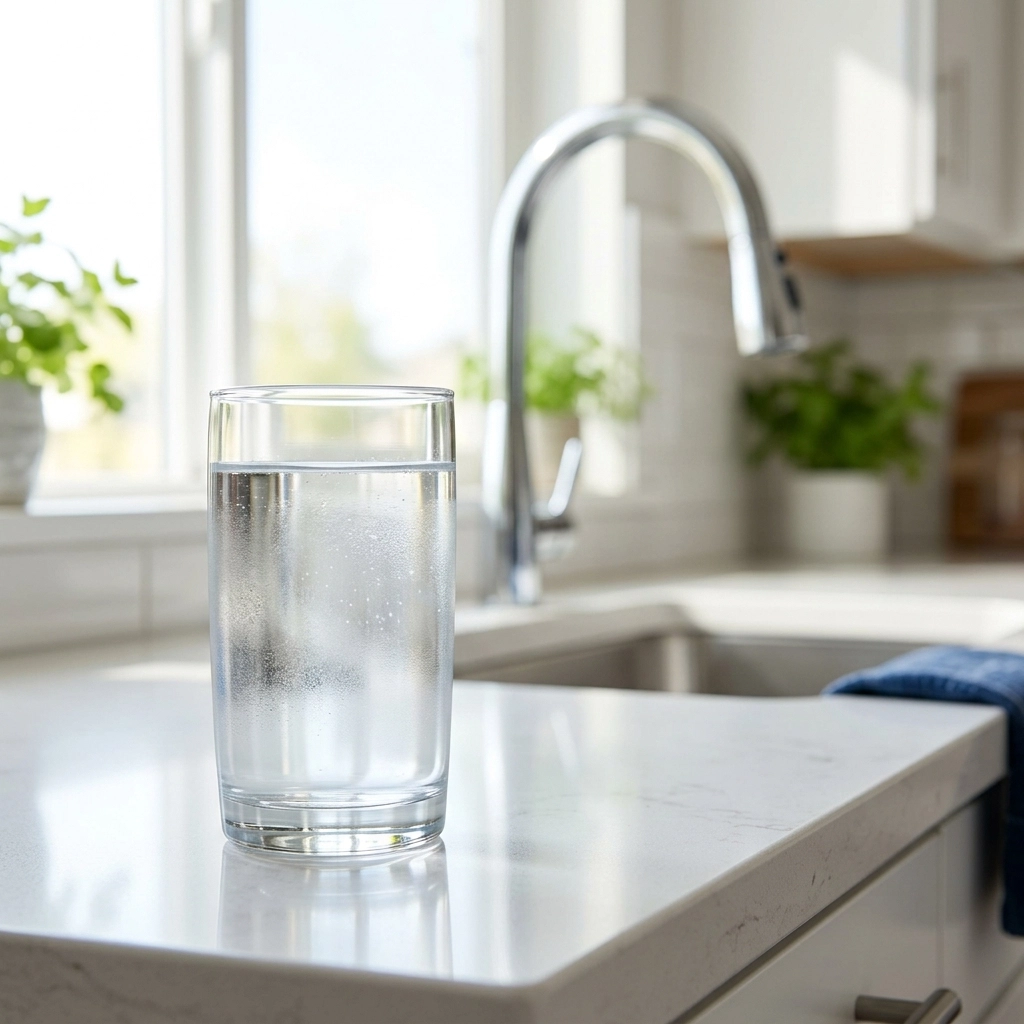
Living in Denver, we’re often told we have some of the best water in the country. It comes from our beautiful snowpack and mountain runoff, after all. But by the time that water travels through miles of aging city pipes and gets treated with heavy doses of chlorine to keep it “safe,” what actually comes out of your kitchen tap can be a different story. If you’ve noticed a chemical smell when you fill a glass or seen white spots on your glassware, you aren’t alone.
While city water meets basic safety standards, “safe” doesn’t always mean “ideal” for your health or your home. With recent headlines about PFAS (forever chemicals) and the ongoing push for lead pipe replacement in neighborhoods like Park Hill and Highlands, many of our neighbors are looking for a more reliable “final barrier.” At Aqua Serve, we’ve found that a professionally installed Reverse Osmosis (RO) system is the single most effective way to turn Denver tap water into high-end, bottled-quality water right at your sink.
Schedule a free water test with Aqua Serve today to see what’s really in your tap.
The “Invisible” Issues in Denver Water (PFAS, Lead, and Chlorine)
Quick Summary for Colorado Homeowners: Denver’s water faces challenges from aging infrastructure and modern chemical contaminants like PFAS. While municipal treatment removes many bacteria, it adds chlorine and may not fully address heavy metals or “forever chemicals” found in local groundwater.
In the Denver metro area, our water quality varies significantly from one block to the next. In older neighborhoods like Capitol Hill or Baker, the primary concern is often lead leaching from old service lines. Even though Denver Water is working hard to replace these, the process takes years.
Then there’s the issue of PFAS, per- and polyfluoroalkyl substances. These are often called “forever chemicals” because they don’t break down in the environment or your body. According to the Colorado Department of Public Health & Environment, these chemicals have been detected in various water systems across the Front Range, including areas near Aurora and Thornton.
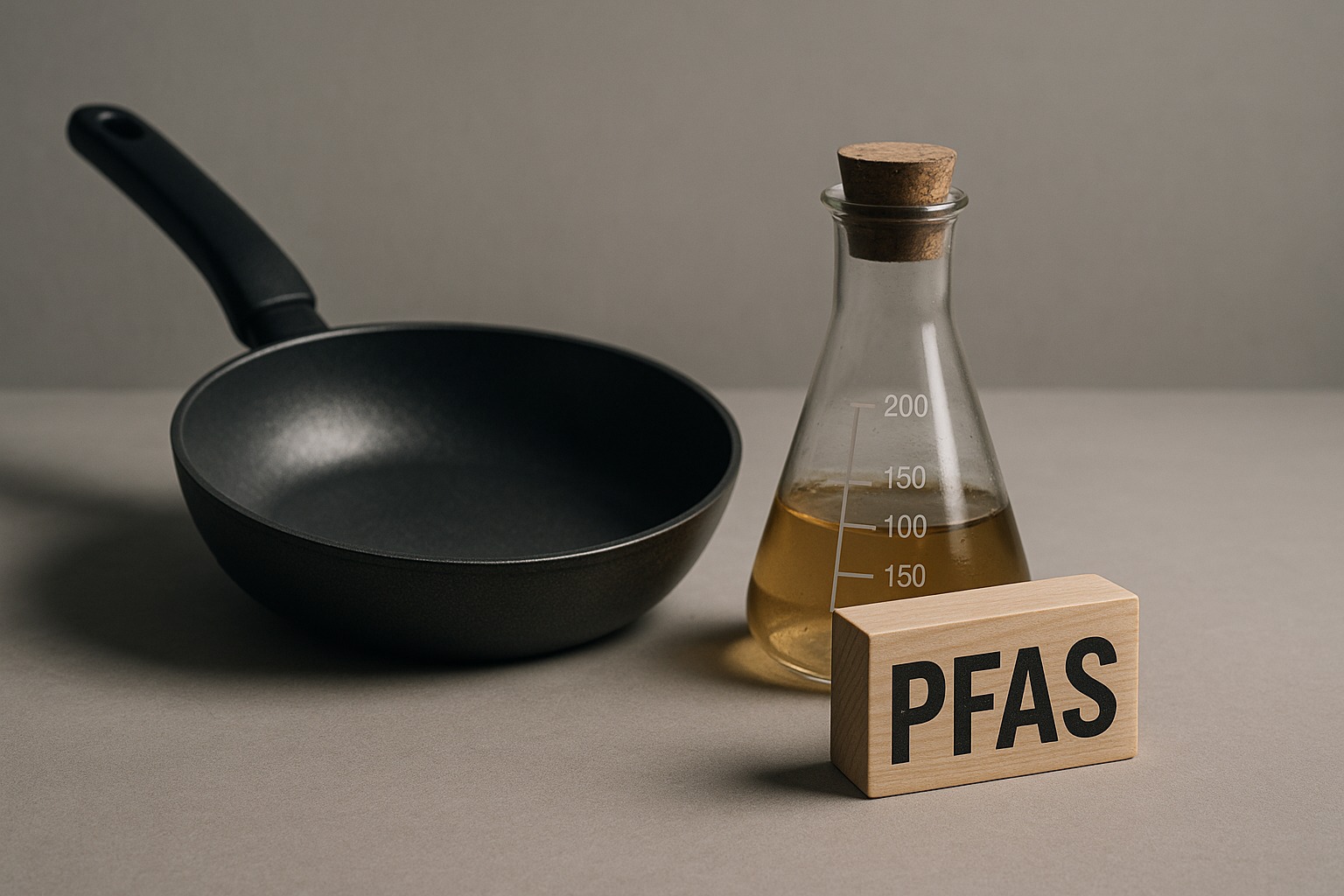
Finally, there is the simple issue of taste. To keep our water safe from bacteria during its long trip to your house, the city uses chlorine or chloramines. While necessary, it makes your morning coffee taste like a swimming pool and can dry out your skin and hair. A Reverse Osmosis system acts as the ultimate filter, stripping these contaminants away just seconds before the water hits your glass.
How Reverse Osmosis Works (The Simple Version)
Quick Summary for Colorado Homeowners: Reverse Osmosis uses a high-pressure process to push water through a semi-permeable membrane. This membrane is so fine that it blocks almost everything except the water molecules themselves, effectively removing 99% of impurities.
Think of a standard pitcher filter (like a basic Brita) as a screen door. It stops the “big” stuff like large sediment and some chlorine. Reverse Osmosis, on the other hand, is like a high-tech medical mask for your water.
The heart of the system is a semi-permeable membrane with microscopic pores, about 1/1000 of a micron in size. For perspective, a single human hair is about 70 microns wide. Because these pores are so incredibly small, the system can filter out:
- Heavy Metals: Lead, arsenic, and chromium.
- Chemicals: PFAS, chlorine, and pesticides.
- Dissolved Solids: High mineral content that causes “hard water” spots.
- Nitrates and Fluoride: Contaminants that often bypass standard carbon filters.
Alt text: A modern, high-end kitchen with a dedicated, sleek chrome Reverse Osmosis faucet installed next to the main sink, pouring crystal clear water into a glass.
By the time the water passes through our multi-stage RO systems, it has been filtered multiple times, including a final “polishing” carbon stage that ensures the taste is crisp and refreshing. This is why water testing is so vital, it helps us show you exactly what the RO system is removing from your specific pipes.
Why Your Wallet (And the Planet) Will Thank You
Quick Summary for Colorado Homeowners: Switching from bottled water to an RO system saves the average Denver family hundreds of dollars a year and prevents thousands of plastic bottles from ending up in Colorado landfills.
We see it all the time: families in Highlands Ranch or Lakewood spending $20 to $50 a month on cases of bottled water or delivery services. Not only is that expensive, but it’s a physical chore to lug those heavy cases into the house.
When you do the math, a Reverse Osmosis system typically pays for itself in less than a year. Once the system is installed, you are producing “designer” water for pennies per gallon.
From an environmental standpoint, the impact is even bigger. Colorado is beautiful, and we all want to keep it that way. By eliminating plastic water bottles, you’re reducing your household’s carbon footprint and ensuring that fewer microplastics end up in our local ecosystem. Plus, you’ll never have to worry about running out of water during a summer heatwave or a winter storm.
The Aqua Serve Difference (35+ Years of Local Expertise)
Quick Summary for Colorado Homeowners: Aqua Serve isn’t just a sales company; we are local experts with a Master Plumber on staff and over three decades of experience specifically with Colorado’s unique water chemistry.
When it comes to your home’s plumbing, you don’t want a “handyman” solution. Aqua Serve has been serving the Front Range since 1990. We understand the specific water challenges of the Denver Metro area because we live here, too.
What sets us apart?
- Expert Staff: We have a Master Plumber on staff to ensure every installation is leak-free and meets local Colorado building codes.
- WQA Certified: Our team is trained by the Water Quality Association, meaning we follow the highest industry standards for water treatment.
- Local History: For over 35 years, we’ve helped thousands of homeowners in Arvada, Broomfield, and beyond find the right balance between water softeners and filtration systems.
- Custom Solutions: We don’t believe in “one size fits all.” Your water in Cherry Creek is different from water in a well in Parker. We customize every system to the results of your in-home test.
Alt text: An Aqua Serve technician in a professional uniform using a digital water tester in a Denver home kitchen, explaining the results to a homeowner.
Our Simple 3-Step Process to Pure Water
Quick Summary for Colorado Homeowners: We make getting pure water easy. We start with a free test, design a system for your budget, and provide professional installation.
We know you’re busy. That’s why we’ve streamlined our process to be as unobtrusive as possible:
- The Free Water Evaluation: We come to your home and perform a comprehensive test. We check for hardness, chlorine, total dissolved solids (TDS), and more. No guesswork, just data.
- The Custom Recommendation: Based on your test results and your family’s water usage, we’ll recommend the best RO system or Brita PRO solution.
- Professional Installation: Our expert techs (overseen by our Master Plumber) install the system neatly under your sink. We can even run a line to your refrigerator’s ice maker so your ice is as clear as your water.
Frequently Asked Questions (FAQs)
1. How do I know if I need a water softener or an RO system in Denver?
In Denver, most homes benefit from both. A water softener treats the “working water” for your whole house to prevent scale buildup in pipes and water heaters. An RO system is specifically for “drinking water” to remove chemicals and heavy metals that a softener cannot.
2. Does Reverse Osmosis remove PFAS (“forever chemicals”)?
Yes. According to the EPA, high-quality RO membranes are one of the most effective ways to remove PFAS/PFOA from drinking water, typically achieving over 90-99% reduction.
3. Is RO water better than a Brita pitcher?
Significantly. A pitcher uses simple carbon granules that mostly improve taste. An RO system uses multiple stages of filtration plus a high-pressure membrane that removes microscopic contaminants (like lead and nitrates) that a pitcher simply can’t catch.
4. Does it remove fluoride?
Yes. Unlike most standard carbon filters, the Reverse Osmosis membrane is highly effective at removing fluoride. If you prefer to have fluoride in your diet, we can discuss “remineralization” stages that add healthy minerals back into the water after filtration.
5. What is the maintenance cost?
Maintenance is simple and affordable. Filters are typically changed once a year, and the RO membrane lasts 3–5 years depending on usage. Aqua Serve offers service plans so you don’t even have to remember to call us, we’ll reach out when it’s time!
6. Does an RO system waste water?
Older RO systems were less efficient, but modern systems are much better. While some water is used to flush the membrane (carrying away the contaminants), the amount is negligible compared to daily activities like flushing a toilet or running a dishwasher.
7. Can I connect the RO system to my refrigerator?
Absolutely! We highly recommend this. It ensures your ice cubes are crystal clear and your fridge-door water is just as pure as the water from your dedicated RO faucet.
8. Does RO water taste different?
Most people describe it as “crisp” and “clean.” Because it removes the metallic taste of lead and the chemical taste of chlorine, it allows the true flavor of your coffee, tea, and cooking to shine through.
9. I live in a condo in Denver. Can I still have one?
Yes! Modern RO systems are very compact and fit easily inside a standard kitchen sink cabinet. They are a popular choice for townhomes and condos in areas like LoDo or the Denver Tech Center.
10. Does it remove lead?
Yes, RO is one of the top methods for removing lead. This is especially important in Denver neighborhoods with older infrastructure where lead levels can fluctuate.
11. How long does installation take?
A professional installation by our Aqua Serve team typically takes between 1 and 2 hours. We ensure everything is tucked away neatly and tested for leaks before we leave.
12. Why shouldn’t I just buy a system at a big-box store and do it myself?
While DIY is an option, many store-bought systems use lower-quality membranes that fail quickly. Additionally, without a professional water test, you might be buying a system that isn’t rated for Denver’s specific water chemistry. Our Master Plumber ensures the job is done right the first time.
Ready for the Best Water of Your Life?
Stop guessing what’s in your water and start enjoying it. Whether you are in Highlands Ranch, Parker, or the heart of Denver, Aqua Serve is your local partner for pure, healthy water.
Give us a call at (303) 469-7873 or click here to schedule your free in-home water quality evaluation.
Last updated: May 2026





