
If you’ve lived in Lakewood for a while, you know why people love it here. You might spend weekends hiking Green Mountain or shopping at Belmar. Then you get home, pour a glass of water, and notice a problem. Maybe it smells like chlorine. Maybe you are tired of scrubbing white buildup off your showerheads.
At Aqua Serve, we have helped Lakewood families solve these problems since 1990. We do not use one-size-fits-all solutions because Lakewood water has its own challenges. That is why we offer free in-home water testing to see what is coming from your taps. Before you buy another plastic pitcher or a basic store filter, let’s look at what is really happening with your water.
What causes water quality problems in Lakewood?
Key Takeaway: Lakewood’s water quality is influenced by high mineral content (hardness), municipal treatment chemicals like chlorine, and aging infrastructure that can introduce lead or PFAS into the home.
Lakewood gets water from Colorado mountain runoff, but that water travels a long way before it reaches your home. Along the way, it picks up extra minerals and other unwanted elements. The most common issue we see is hard water. Total Dissolved Solids, or TDS, often sit near 408 ppm here. That makes our water much harder than the national average.
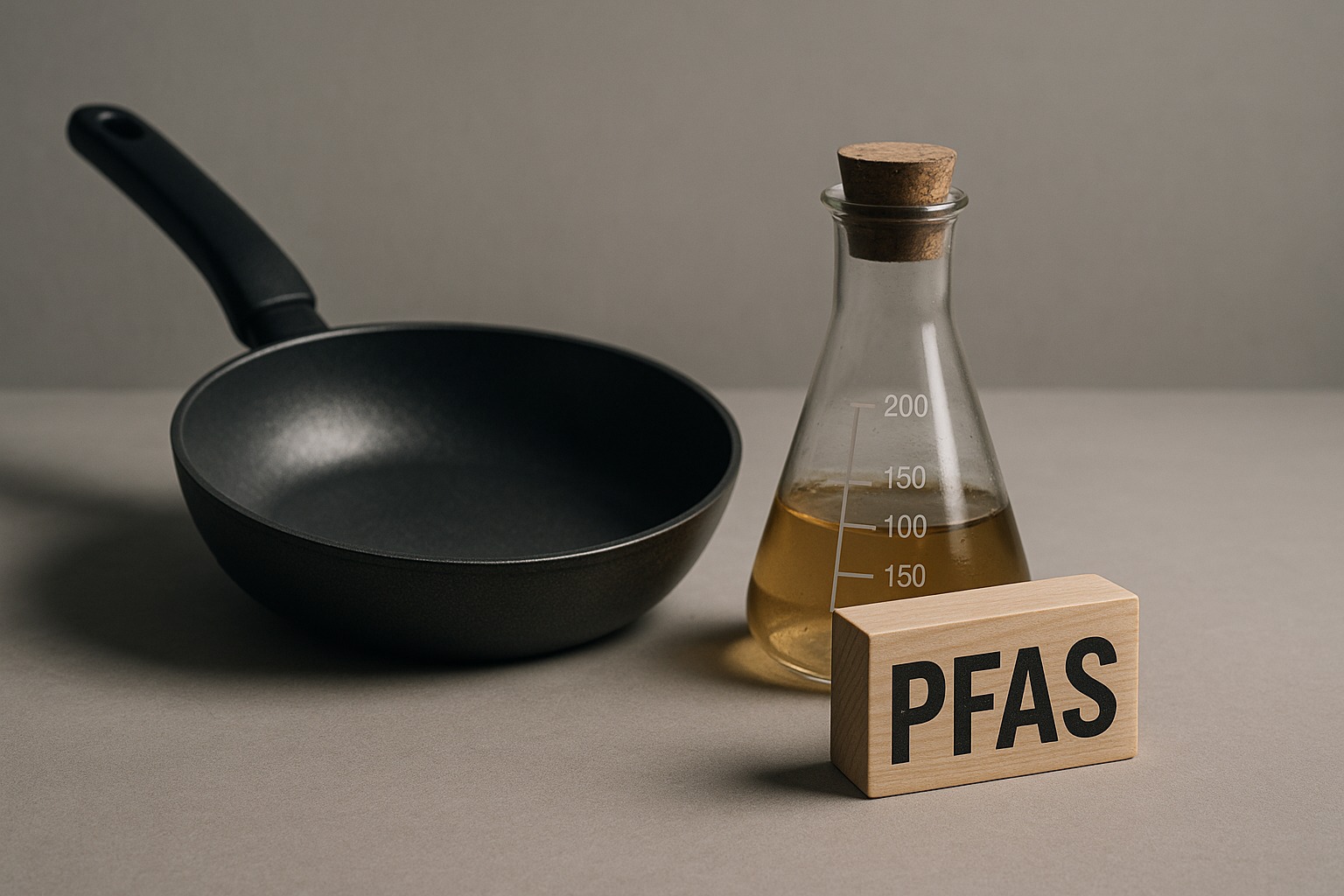
City treatment plants also use chlorine and chloramines to kill bacteria as water moves through the pipes. Those chemicals serve a purpose, but they can leave a strong pool-like smell and taste. Some homeowners also worry about PFAS, often called “forever chemicals,” and lead from older service lines in established Jefferson County neighborhoods.
Water Concerns in Lakewood: Hardness, Chlorine, and More
Quick Summary for Colorado Homeowners: Lakewood residents typically deal with high mineral levels (408 ppm TDS), scale buildup on fixtures, and potential exposure to PFAS and lead depending on local pipe age.
The Battle with Hard Water
In Lakewood, hard water does more than annoy you. It wears down your appliances. When calcium and magnesium levels run high, they create limescale. You see it as white buildup on faucets, spots on “clean” dishes, and film on shower glass. Over time, that scale clogs water heaters and dishwashers. It can also shorten their lifespan.
Chlorine and Chemical Odors
Nobody wants coffee that tastes like pool water. The city adds chlorine to keep water safe. By the time that water reaches your home, the chlorine may still affect taste and smell. It can also leave skin feeling dry and hair feeling brittle. Many homeowners also notice that it changes the flavor of meals and drinks.
PFAS and Lead Concerns
In recent years, the Colorado Department of Public Health & Environment (CDPHE) has increased PFAS monitoring. These synthetic chemicals appear in firefighting foams and industrial products. Older Lakewood homes may also have lead solder in their plumbing. Professional water filtration service in Lakewood helps remove these contaminants before they reach your glass.
How to improve tap water quality in Lakewood homes
Key Takeaway: The most effective way to improve Lakewood water is a multi-stage approach: softening to remove minerals, carbon filtration for chemicals, and Reverse Osmosis for pure drinking water.
Whole House Water Filters
If you want cleaner water at every tap, a whole-house system is a smart choice. These systems filter chlorine and sediment as water enters your home. That means every shower and every laundry cycle uses filtered water.
Water Softeners
Because local TDS levels often reach 408 ppm, a water softener is one of our most requested upgrades. It replaces hard minerals with soft ions. You may notice better soap lather, smoother skin, and fewer white spots on fixtures.
Reverse Osmosis (RO) Systems
For very clean drinking and cooking water, we recommend Reverse Osmosis. An RO system fits under your sink and uses a semi-permeable membrane. It can remove up to 99% of many contaminants, including lead, PFAS, and fluoride. It gives you bottled-water quality from your own kitchen tap.
Caption: A professional, high-quality water softener system installed in a clean, organized Lakewood garage, providing soft water to the entire home.
Is Lakewood tap water safe to drink?
Quick Summary: Lakewood water meets federal EPA standards, but “safe” doesn’t always mean “ideal.” Many residents choose filtration to remove contaminants that fall within legal limits but affect health and taste.
According to Denver Water and local utility reports, Lakewood water meets all EPA Safe Drinking Water Act standards. Still, those standards allow some contaminant levels that homeowners may not like. For example, legal levels of chlorine or minerals may still affect taste, skin comfort, or scale buildup.
Lead can also come from pipes inside your home or from lines leading to it. The city does not control those materials. Testing your tap is the best way to learn what your family is using each day. Understanding how water testing helps you choose the right filter is the first step toward peace of mind.
Why Choose Aqua Serve for Your Lakewood Home?
Key Takeaway: With over 30 years of local experience, Master Plumber installations, and WQA-certified experts, Aqua Serve provides customized solutions specifically for Jefferson County’s water.
We are not a national franchise that just showed up. Aqua Serve has been family-owned and operated since 1990. We understand Front Range water and its mineral makeup. When we install a whole house water filter, we base the system on a Master Plumber’s evaluation and Water Quality Association standards.
We serve the full metro area, including nearby Denver, Aurora, and Boulder. Our goal is to provide benefits of water filtration for your health and make home care easier.
Caption: A happy Lakewood family enjoying fresh, clean glass of water in their modern kitchen after an Aqua Serve system installation.
Eco-friendly and Sustainable Filtration
A professional filtration system is also a greener choice. You can finally eliminate plastic water bottles and bulky pitchers. When you remove scale from your water heater, appliances run more efficiently. They also use less energy and often last longer, which keeps more waste out of the landfill.
Professional Testing and Installation
Some homeowners try “big box” filters first. Those systems often cannot handle Lakewood’s high TDS levels or specific water chemistry. A professional installation makes sure the system fits your water use and meets local Lakewood plumbing codes.
Our process is simple:
- Test: We perform a free, comprehensive in-home water test.
- Consult: We explain the results and show you the options.
- Install: Our Master Plumbers install your custom system with a 100% satisfaction guarantee.
FAQs About Lakewood Water
1. Do I need a water softener in Lakewood?
Yes, most Lakewood homes benefit from one. With TDS levels near 408 ppm, local water is considered hard. Without a softener, you may keep seeing white scale on fixtures and more wear on appliances.
2. What is the difference between a whole-house filter and RO?
A whole-house filter treats water for the entire home, including showers and laundry. It usually targets chlorine and sediment. Reverse Osmosis (RO) is usually installed in the kitchen and removes much smaller contaminants, such as lead and PFAS.
3. Is Lakewood tap water safe?
Yes, it meets EPA standards. Still, many residents notice a chemical taste or skin irritation. Filtration can improve taste, comfort, and overall water quality.
4. How often should I change my filters?
In Lakewood’s hard water, we usually suggest a service check and filter change every 12 months. Your usage and water quality may change that timeline.
5. Does Aqua Serve test for PFAS and Lead?
Absolutely. We offer specialized testing for both contaminants. We can also recommend the right RO or carbon-block system to address them.
Ready to see what’s in your water?
Don’t guess about your family’s water. Schedule your free in-home water quality appointment with Aqua Serve today and take the first step toward cleaner, clearer water.
Last updated: April 2026





